When gunfire shattered the ambiance of the White House Correspondents’ Dinner (WHCD) gala at the Washington Hilton, actor Zachary Levi found himself in the middle of a scene more harrowing than any script he’d read. Known for his charismatic roles in Chuck and as the titular hero in Shazam!, Levi was not performing that night—he was a guest, seated just feet from the stage when security chaos erupted. What followed was a real-time test of composure, instinct, and survival.
Levi, present at the 2024 WHCD event, later gave a firsthand account of the commotion that turned a night of glitz into a moment of fear. His testimony—shared through interviews and social media—offers one of the clearest looks at what unfolded inside the ballroom when shots were reported.
This isn’t a Hollywood thriller. It’s a real incident where a beloved actor became an unwilling witness to violence encroaching on American tradition.
The Night That Took a Violent Turn
The WHCD, long a hallmark of Washington’s elite media-political mix, prides itself on elegance and access. Attendees—journalists, celebrities, politicians—expect speeches, laughter, and perhaps a few pointed jabs from the evening’s entertainer. They don’t expect lockdowns.
That year, Zachary Levi attended as a guest, invited through his advocacy work and media profile. The room buzzed with the usual energy: clinking glasses, murmured conversations, the occasional laugh at a table near the stage. Then came a sound no one was prepared for—sharp, sudden, and unmistakable.
“It wasn’t like in the movies,” Levi later said. “There was no dramatic delay. One second, everything was normal. The next, people were screaming, ducking under tables.”
The commotion began not with an announcement, but with movement. Security personnel shifted abruptly. Someone shouted “Get down!” A table overturned. Confusion spread faster than information.
Levi, seated toward the middle of the ballroom, described how instinct kicked in before logic. “I remember seeing a woman reach for her child, a reporter crawling toward a pillar. I didn’t think. I just moved—under the table, then toward an exit when I realized we had to get out.”
Zachary Levi’s Role as a Calm Voice in Panic
Unlike many in the room, Levi didn’t flee immediately. Once outside the immediate danger zone, he helped others navigate the exits. He guided disoriented guests, directed people away from suspected threat vectors, and even assisted security in accounting for attendees.
“I’m not a first responder,” he admitted later. “But you don’t play a superhero for years without internalizing some of that responsibility. When people are scared, someone has to say, ‘This way. Move fast. Stay together.’”
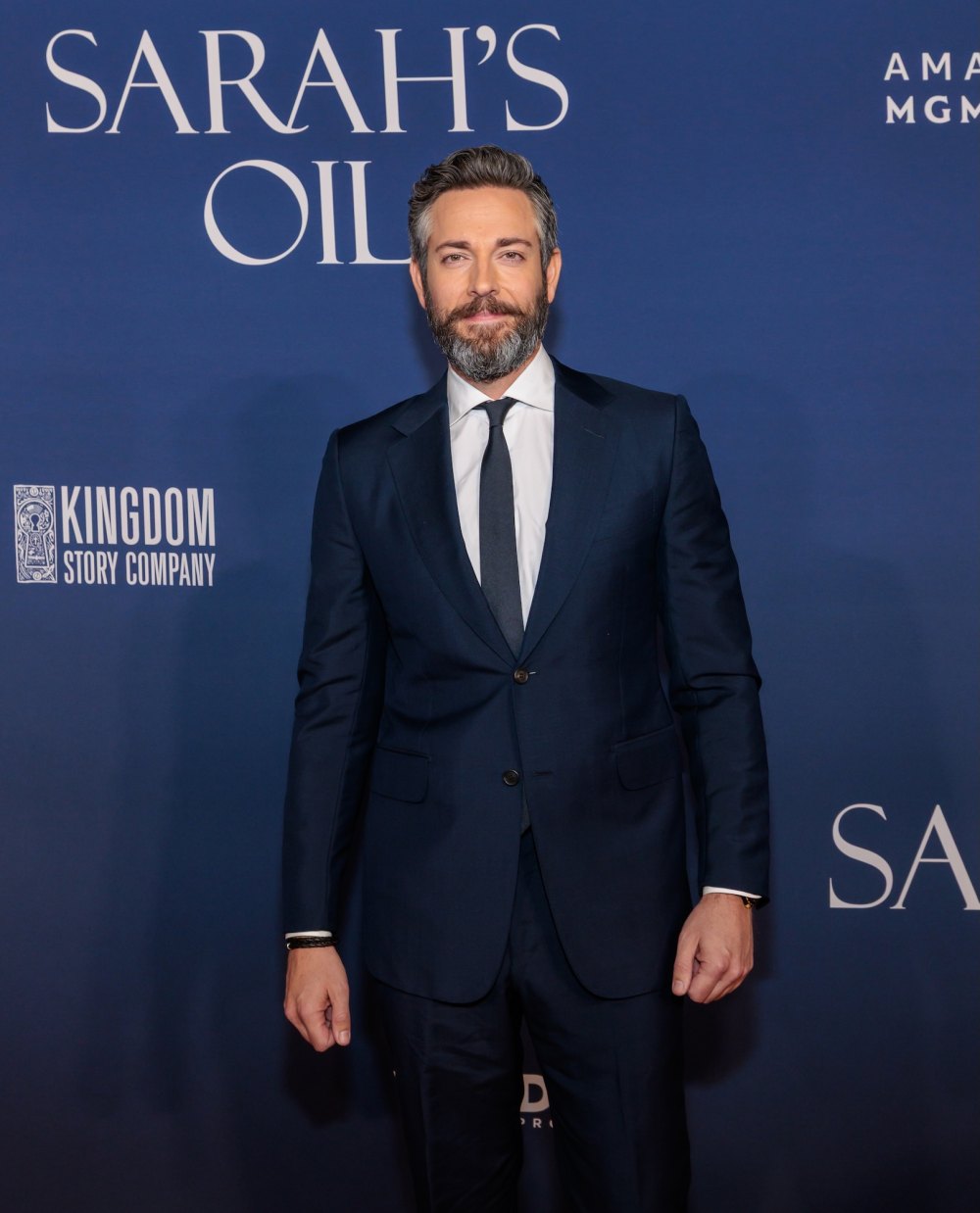
His actions drew praise from multiple outlets and firsthand accounts from other guests. One journalist credited Levi with preventing a stampede near a narrow service corridor. Another reported that he used humor—briefly—to ease tension, quipping, “Guess the after-party’s canceled,” as they evacuated.
Still, Levi was clear: this wasn’t heroism. It was presence of mind. “Anyone would’ve done the same. We were all just trying to get each other out alive.”
Inside the Ballroom: What Really Happened
While official reports are still under review, Levi’s account aligns with emerging details about the incident:
- The initial shots were not fired inside the main ballroom, but in a connecting hallway near a service entrance.
- A security altercation—reportedly involving an uninvited individual attempting to breach the perimeter—escalated rapidly.
- Ballroom guests heard the gunfire, but many didn’t immediately recognize it as such. Some thought it was part of a surprise performance or pyrotechnics.
- Communication was non-existent in the first 60 seconds. No announcements. No coordinated response.
Levi emphasized one key issue: the lack of clear direction. “They train for this, right? But when it happens, there’s no voice telling you where to go. You make choices based on survival, not protocol.”
He recalled a pivotal moment when a waiter began shouting evacuation routes. “That guy saved lives,” Levi said. “He knew the building. We followed him.”
The Aftermath: Trauma, Reflection, and Advocacy
In the days following the incident, Levi didn’t disappear from the public eye. Instead, he spoke openly about the emotional toll.
“It’s not just about the noise or the running,” he said in a televised interview. “It’s the replay. The dreams. The way your body tenses when a car backfires. That’s the invisible injury.”
He also used his platform to advocate for improved safety protocols at high-profile events. While he stopped short of demanding full militarization of galas, he called for:
- Clear emergency signage in event venues
- Mandatory staff drills for guest evacuation
- Dedicated communication channels during crises
- Mental health support for attendees post-incident
“These events attract attention,” he noted. “That means they’re targets. We can’t ignore that. But we also can’t let fear win.”
Misinformation and the Role of Celebrity Witnesses
In the immediate aftermath, social media exploded with speculation. Unverified videos circulated. False claims of multiple shooters, hostages, and political motives filled feeds. Amid the noise, Levi’s voice stood out—not because he had insider knowledge, but because he was a credible eyewitness.
His social media updates—short, clear, emotion-tempered—became reference points for journalists and fact-checkers. He didn’t speculate. He didn’t name suspects. He described only what he saw and heard.
That restraint, rare in the age of instant commentary, helped slow the spread of misinformation.
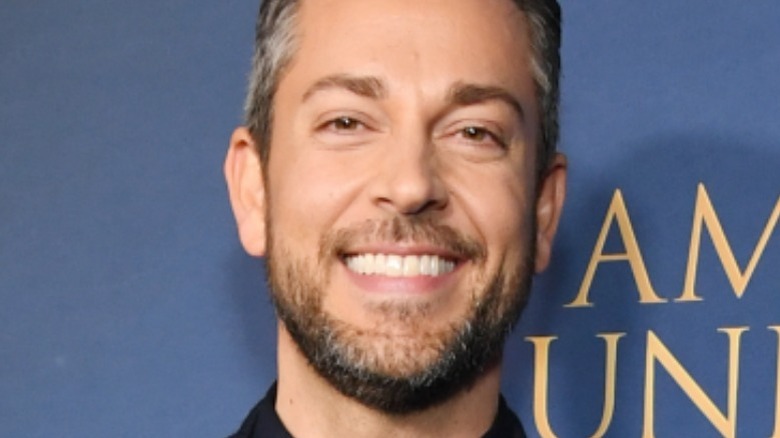
“People want answers right away,” Levi said. “But sometimes the only honest answer is: I don’t know. We’re all trying to figure it out.”
He urged others in the public eye to resist the temptation to opine without facts. “Just because you were there doesn’t mean you have the full picture.”
Event Security: Lessons from the WHCD Incident
The WHCD shooting has reignited debate over security at high-profile gatherings. Levi’s experience highlights systemic gaps:
| Issue | Reality from Levi’s Account |
|---|---|
| Delayed Communication | No immediate PA announcement |
| Evacuation Routes | Poorly marked, not widely known |
| Staff Preparedness | Waitstaff knew exits; security response varied |
| Guest Awareness | Most had no emergency briefing |
| Psychological Aftercare | Minimal follow-up offered |
Levi has since consulted with event planners about integrating “quiet drills” into pre-event briefings—short, non-disruptive safety reminders that don’t kill the mood but save lives.
“We don’t need panic,” he said. “We need awareness.”
Comparing Celebrity Responses to Public Crises
Levi’s reaction stands in contrast to other celebrity responses during emergencies. Consider:
- Stephen Colbert (2016 Orlando shooting): Delivered a powerful monologue, but was not physically present.
- Lady Gaga (2017 Manchester bombing): Returned to Manchester in solidarity, but evacuated immediately post-attack.
- Zachary Levi (2024 WHCD): Physically present, took action during crisis, followed with public advocacy.
What sets Levi apart is the blend of immediate response and sustained engagement. He didn’t just react—he reflected, then pushed for change.
The Cultural Weight of Violence at Elite Events
The WHCD shooting isn’t just a security failure. It’s a cultural rupture. These events symbolize access, power, and American tradition. When violence infiltrates them, the shock reverberates beyond the walls of the hotel.
Levi captured this unease perfectly: “We go to these things thinking we’re insulated. But no one’s insulated anymore. Not politicians. Not journalists. Not actors. That’s the new reality.”
His words underscore a shift: the blurring line between public life and personal risk. For celebrities, attending high-profile events now carries unspoken danger.
Conclusion: Turning Witness into Action
Zachary Levi didn’t seek the spotlight that night. But when chaos struck, he stepped into it—not for fame, but for safety.
His account of the commotion inside the Washington Hilton ballroom offers more than drama. It offers data: real human behavior under stress, the cost of poor planning, and the power of calm leadership.
For event organizers, his testimony is a blueprint for reform. For the public, it’s a reminder that courage isn’t always loud. Sometimes, it’s a whisper that says, “This way. Let’s go.”
And for Levi? He’s not done speaking. “If sharing what I saw helps prevent the next one,” he said, “then I owe it to everyone who was in that room.”
Frequently Asked Questions
What was Zachary Levi doing at the WHCD? Levi attended as a guest, invited due to his media profile and advocacy work, not as a performer or journalist.
Did Zachary Levi see the shooter? No, he did not see the individual who fired the shots. The gunfire originated outside the main ballroom.
Was anyone injured during the WHCD shooting? Initial reports confirmed non-fatal injuries among security personnel and one civilian. No deaths were reported.
How did Zachary Levi help during the incident? He assisted in guiding guests to exits, calming panicked individuals, and supporting coordination with staff.
Has Zachary Levi spoken about mental health after the event? Yes, he has openly discussed experiencing anxiety and sleep disruption, urging others to seek help when needed.
Did the WHCD continue after the shooting? No, the event was immediately canceled. Guests were evacuated and sheltered off-site.
Is there video of Zachary Levi during the chaos? No verified footage of Levi during the incident has been released. His account comes from interviews and social media.
FAQ
What should you look for in Zachary Levi Recalls Chaos During WHCD Shooting? Focus on relevance, practical value, and how well the solution matches real user intent.
Is Zachary Levi Recalls Chaos During WHCD Shooting suitable for beginners? That depends on the workflow, but a clear step-by-step approach usually makes it easier to start.
How do you compare options around Zachary Levi Recalls Chaos During WHCD Shooting? Compare features, trust signals, limitations, pricing, and ease of implementation.
What mistakes should you avoid? Avoid generic choices, weak validation, and decisions based only on marketing claims.
What is the next best step? Shortlist the most relevant options, validate them quickly, and refine from real-world results.