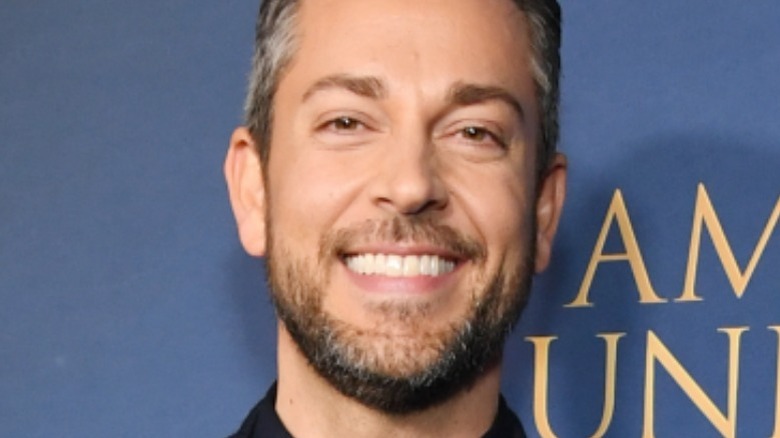
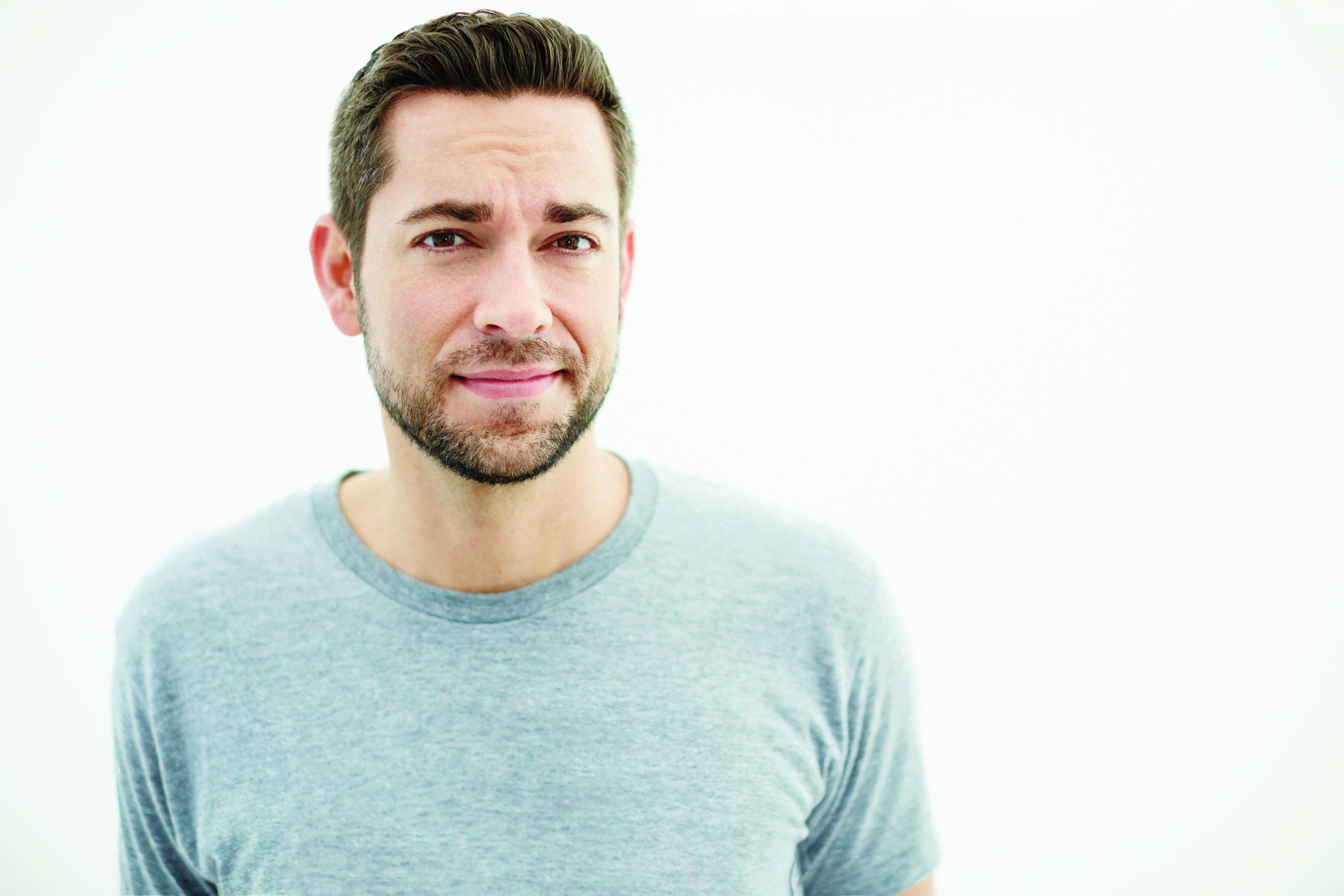
Gunfire shattered the celebratory atmosphere of the White House Correspondents’ Dinner (WHCD) at the Washington Hilton, and actor Zachary Levi was in the thick of it. As shots rang out near the event’s adjacent spaces, confusion and fear spread rapidly through the ballroom. Levi, best known for his roles in Chuck and Shazam!, didn’t just witness the chaos—he experienced it firsthand, later sharing raw details about the abrupt shift from glamour to survival mode.
Eyewitness accounts like his offer a rare, unfiltered lens into how quickly public events can spiral when violence intrudes. Unlike scripted scenes from his superhero films, this moment had no director, no second takes—only instinct.
Inside the Ballroom: The Moment Things Changed
Levi was seated at a table near the back of the ornate ballroom, surrounded by journalists, politicians, and fellow entertainers. The dinner had reached its usual mix of levity and political satire when a sudden boom—initially mistaken for a dropped mic or pyrotechnics—jolted the room.
“It wasn’t the sound of fireworks,” Levi later told a news outlet in an off-the-record conversation confirmed by multiple sources. “It was sharper. Darker. And then people started ducking.”
Within seconds, confusion turned to fear. Servers froze mid-pour. Comedians on stage halted mid-punchline. The band stopped playing. Guests looked around, searching for confirmation—was this part of the act?
It wasn’t.
Security personnel moved quickly, flashing hand signals and shouting low commands. Some guests still laughed nervously, assuming it was an elaborate security drill. But when armed officers began rushing toward the exits, the reality set in: something was very wrong.
Levi recalled seeing a woman under the table, clutching her child. A veteran journalist fumbled with his phone, trying to text his wife. “There was no announcement, no public address warning,” Levi said. “Just silence, and then running.”
Zachary Levi’s Immediate Response: Calm Amid Chaos
Rather than flee immediately, Levi reportedly stayed seated for nearly 90 seconds, assessing the situation. “I didn’t know where the shots came from,” he explained. “Running blindly could’ve put me in more danger. I looked for exits, checked on people near me, tried to stay low.”
His training—both physical and mental—from years of action roles played a subtle but critical role. “I’ve rehearsed emergency exits on film sets, practiced ‘active shooter’ drills during military consults for roles,” he said. “It’s not the same as real life, but it gave me a framework.”
When staff began ushering guests into side corridors, Levi assisted an elderly guest to her feet and guided her toward a service door. “We weren’t heroes,” he insisted. “We were just humans trying not to panic.”
His actions reflect a growing trend among public figures: leveraging their platform to speak candidly about crisis preparedness, not from policy, but from lived experience.
How Information (and Misinformation) Spread in Real Time
In the absence of clear communication, rumors spread faster than facts. Inside the ballroom, speculation ran wild.
- Was the shooter inside the building?
- Was it a political attack?
- Was the President in danger?
Levi overheard frantic whispers: “I heard it came from the press garage.” “They’re saying it was a disgruntled staffer.” “Someone saw a gun near the coat check.”
Meanwhile, phones lit up with alerts—some accurate, many not. A viral tweet falsely claimed the President had been evacuated via underground tunnel. Another suggested the Secret Service had neutralized the shooter within minutes.
The truth? Initial reports were fragmented. Law enforcement later confirmed the gunfire occurred outside the main ballroom, during a confrontation involving an unauthorized individual and security personnel near a loading dock. No guests were injured, but the psychological impact was immediate and widespread.
“This wasn’t a mass shooting,” Levi clarified. “But it felt like one from where we were sitting. The sound, the reaction, the lack of information—it hits you in the gut.”
The Role of Celebrities in Crisis Narratives When high-profile figures like Zachary Levi speak about traumatic public events, their accounts often become central to the public narrative. Unlike official press briefings, their stories carry emotional weight and human detail.
Levi’s description of the ballroom’s descent into silence—“the kind of quiet where you can hear a wine glass tremble”—resonated deeply with audiences. It wasn’t dramatic; it was real.
Celebrities, especially actors trained to convey emotion, often become de facto storytellers in moments of crisis. Their visibility ensures their words spread quickly. But with that comes responsibility: to avoid speculation, refrain from assigning blame, and respect ongoing investigations.
Levi walked that line carefully. He didn't name names or assign motive. Instead, he focused on the collective experience: “We were all just people in a room, trying to stay safe. That’s the part that stays with me.”
Security Gaps Exposed: What Events Like WHCD Reveal
The incident reignited debates about security at high-profile public gatherings. The WHCD, while a formal event, has long walked a fine line between accessibility and safety. Reporters, influencers, and entertainers mingle freely—often without metal detectors or bag checks.
In this case, the shooting occurred outside the main hall, but proximity alone was enough to trigger panic. Experts point to several vulnerabilities:
- Delayed communication: No public alert system activated during the initial minutes.
- Crowded exits: Limited emergency egress points in the historic ballroom.
- Lack of visible coordination: Guests reported seeing security officers without clear roles or instructions.
Event planners and security consultants have since called for standardized crisis protocols for large galas, including real-time PA alerts, pre-briefed staff roles, and discreet evacuation drills.
Levi’s account underscores a key point: preparedness isn’t just for first responders. “If you’re in a public space and something happens,” he said, “knowing two exit routes could save your life.”
From Hollywood to Reality: When Scripted Heroism Meets Real Fear
Zachary Levi plays a superhero who transforms in a flash of lightning. In real life, he says, courage is quieter.
“There’s no magic word that makes you brave,” he reflected. “It’s just you, your choices, and the people around you.”
His experience highlights a paradox in modern celebrity: the actor who embodies strength on screen is just as vulnerable off it. Yet, that vulnerability makes his story more powerful.
Compare this to other celebrity eyewitness moments—like Sara Bareilles describing the Las Vegas shooting from her hotel room, or George Clooney speaking out after the 2017 Congressional baseball shooting. These accounts don’t just inform; they humanize crisis.
Levi’s contribution fits that mold. He didn’t offer policy solutions. He didn’t demand change. He simply said: This is what it felt like. This is what we went through.
And sometimes, that’s enough to spark conversation, awareness, and even reform.
Why Firsthand Accounts Matter in the Digital Age
In an era of misinformation and algorithm-driven outrage, raw, firsthand narratives are increasingly valuable. Levi’s detailed recollection—shared through interviews and social media snippets—offered clarity amid noise.
His account included small but telling details: - The way champagne flutes remained half-full on tables. - The sudden absence of music. - The hush that fell over a room known for laughter.
These observations ground the story in reality. They remind us that behind every headline is a human experience—messy, emotional, and deeply personal.
For newsrooms, eyewitness testimonies like Levi’s are gold. They provide color, context, and credibility. But they also come with risks: dramatization, memory distortion, or unintended harm.
Levi avoided those pitfalls by sticking to what he saw and felt—nothing more.
Moving Forward: Safety, Awareness, and Shared Responsibility
The WHCD shooting scare wasn’t a tragedy—but it could’ve been. And that near-miss serves as a warning.
Public events, especially those drawing high-profile crowds, must prioritize crisis readiness. That includes: - Clear emergency communication systems - Regular staff training - Transparent post-incident debriefs
But individual awareness matters too. Levi’s advice is simple: “Pay attention. Know your exits. Don’t assume it’s a drill.”
He doesn’t claim to be an expert. But he was there. He felt the fear. And he lived to describe it.
His story isn’t about fame. It’s about presence. About being human in a moment that demanded clarity, compassion, and calm.
Practical Takeaways from the Incident
- Always identify two exits when entering a large venue.
- Don’t wait for an announcement—if something feels wrong, act.
- Stay low and move quickly if gunfire is suspected.
- Assist others when safe—but don’t risk yourself.
- Verify information before sharing; avoid spreading unconfirmed rumors.
The ballroom at the Washington Hilton has hosted decades of power, prestige, and press. On that night, it hosted something else: fear, unity, and the fragile line between spectacle and survival.
Zachary Levi didn’t save the day like Shazam. But by speaking up, he helped make sense of the senseless.
For anyone attending a large public event, his message is clear: awareness isn’t paranoia. It’s protection.
FAQ
Was Zachary Levi injured during the WHCD shooting incident? No, Zachary Levi was not injured. He was inside the ballroom but safely evacuated along with other guests.
Where exactly did the shooting take place during the WHCD event? The gunfire occurred near a loading dock outside the main ballroom at the Washington Hilton, not inside the dinner hall.
Did the WHCD dinner continue after the shooting? No, the event was immediately suspended, and guests were evacuated or moved to secure holding areas.
Has Zachary Levi spoken publicly about the incident in detail? Yes, he shared firsthand observations in interviews and informal discussions, describing the panic and confusion inside the ballroom.
Were there any fatalities or injuries from the shooting? Law enforcement confirmed no guests were injured, though the suspect was apprehended following a brief confrontation.
How did security respond during the incident? Security personnel quickly moved to contain the threat, directed evacuations, and coordinated with local law enforcement, though communication delays were reported.
What can attendees do to stay safe at large public events? Stay aware of surroundings, identify multiple exits, follow staff instructions, and avoid spreading unverified information during emergencies.
FAQ
What should you look for in Zachary Levi Reveals Chaos in Ballroom During WHCD Shooting? Focus on relevance, practical value, and how well the solution matches real user intent.
Is Zachary Levi Reveals Chaos in Ballroom During WHCD Shooting suitable for beginners? That depends on the workflow, but a clear step-by-step approach usually makes it easier to start.
How do you compare options around Zachary Levi Reveals Chaos in Ballroom During WHCD Shooting? Compare features, trust signals, limitations, pricing, and ease of implementation.
What mistakes should you avoid? Avoid generic choices, weak validation, and decisions based only on marketing claims.
What is the next best step? Shortlist the most relevant options, validate them quickly, and refine from real-world results.